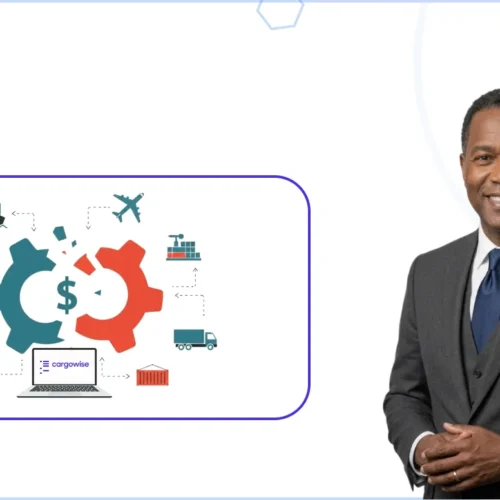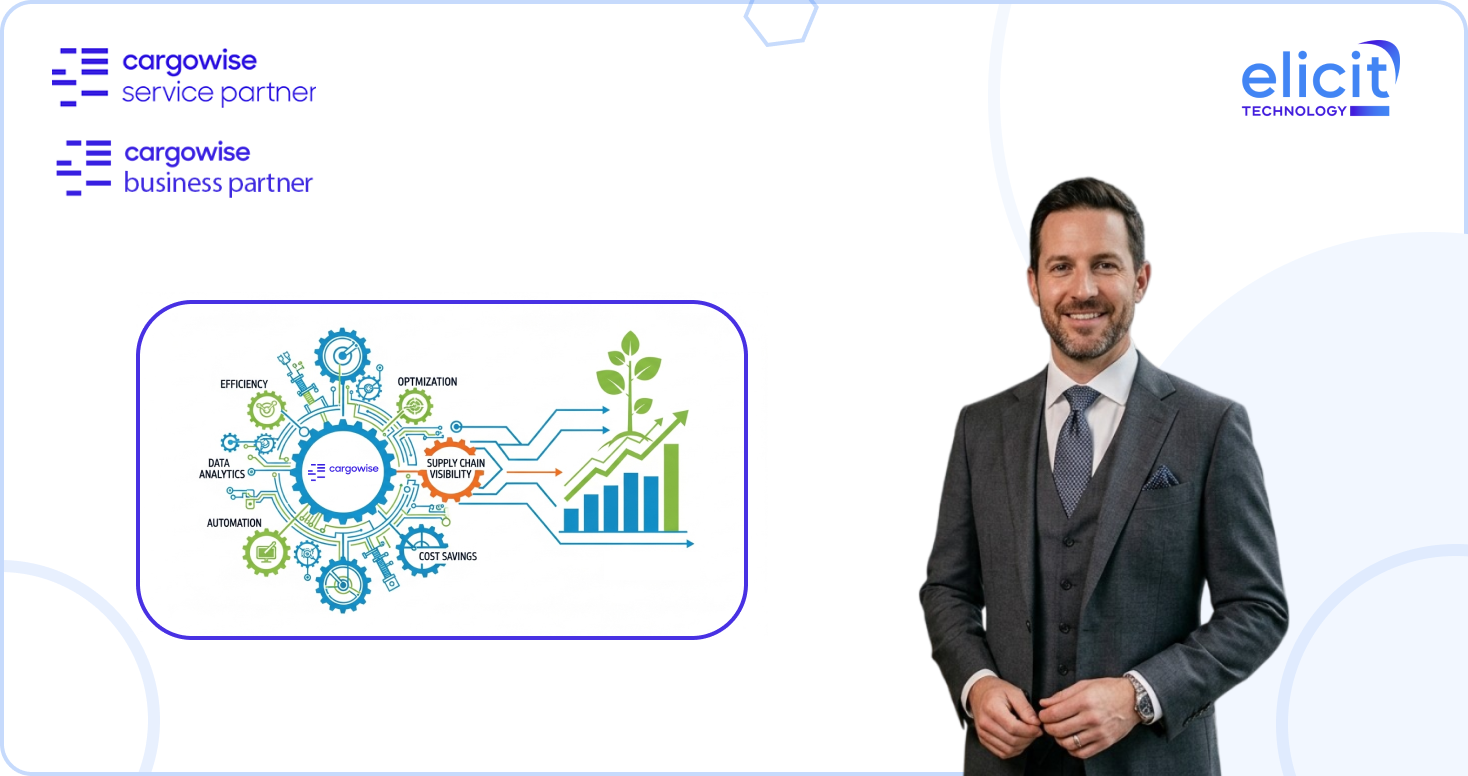
You’ve gone live on CargoWise. Your operations are running, invoices are being generated, and your team is actively using the system. On the surface, everything seems to be in place. But if you pause and take a closer look, a more important question starts to emerge, is your system actually delivering the value you expected?
If your answer is uncertain, you’re not alone. Many logistics companies reach this stage where CargoWise is functional, but not fully optimized. The system works, but it doesn’t feel like a true business advantage yet. That’s because real ROI from CargoWise doesn’t come from implementation, it comes from what happens after go-live.
Implementation is Not the Finish Line
Going live with CargoWise is a major milestone, but it’s not where success is defined. In fact, it’s where the real journey begins. After go-live, your system starts interacting with real-world operations, real data, and real customer expectations.
This is the phase where gaps begin to surface. Workflows that seemed fine during implementation may not align with day-to-day operations. Financial configurations may not fully reflect actual cost structures. Teams may adapt in ways that weren’t anticipated, sometimes creating workarounds that reduce system efficiency.
Without proper attention at this stage, CargoWise becomes a system you operate, rather than a system that actively supports and improves your business.
Why Many CargoWise Systems Underperform?
Most underperformance issues don’t come from the system itself. They come from how the system has been configured and aligned with your business.
During CargoWise implementation, many organizations focus on getting the system up and running quickly. In doing so, they often replicate existing processes instead of rethinking them. While this approach helps achieve a faster go-live, it also carries forward inefficiencies from legacy systems.
Over time, these inefficiencies start to show in subtle but impactful ways. Teams may rely on manual processes where automation should exist. Data inconsistencies may appear across modules. Reporting may require additional validation. These issues may seem small individually, but together they limit the overall value of the system.
Recognizing the Signs of Misalignment
If your CargoWise system isn’t delivering the results you expected, there are usually clear indicators. These signs often appear gradually, making them easy to overlook at first.
You might notice that billing doesn’t always align with expectations, requiring manual adjustments. Your team may rely on spreadsheets or external tools to complete certain tasks. Reports may not provide the clarity needed for confident decision-making. Some modules may be underutilized because they feel complex or disconnected from daily workflows.
These are not system limitations, they are signs that your configuration and processes need realignment.
The Hidden Impact of Revenue Leakage
One of the most critical issues that arises from misalignment is revenue leakage. Unlike obvious errors, revenue leakage happens quietly. It’s the result of small inconsistencies repeated across multiple transactions.
This can occur when tariffs and rates are not configured accurately, when autorating logic is incomplete, or when costs are not fully captured at the shipment level. Manual overrides during invoicing can further contribute to the problem.
Over time, these small gaps can significantly impact profitability. The challenge is that they are not always visible without a detailed review of your system and financial processes.
The Role of Workflow Optimization
Operational efficiency is another area where CargoWise systems often fall short after implementation. Many businesses continue to operate with workflows that were not fully optimized during implementation.
This can lead to unnecessary steps, duplicated efforts, and increased dependency on manual input. When workflows are not aligned with real operational needs, teams naturally look for alternative ways to complete tasks, which reduces system adoption.
Optimizing workflows involves more than just simplifying processes. It requires aligning system functionality with how your business actually operates. When done correctly, it reduces manual effort, improves accuracy, and enhances overall productivity.
Why System Adoption Determines Success?
Even the most well-configured system will not deliver results if it is not fully adopted by your team. Adoption is one of the most important indicators of CargoWise success.
When users feel confident in the system, they rely on it consistently. This leads to better data quality, improved visibility, and smoother operations. On the other hand, when users find the system difficult to use or misaligned with their tasks, they create workarounds, leading to inconsistencies and inefficiencies.
Improving adoption is not just about training, it’s about ensuring that the system is intuitive and aligned with real workflows.
What a Fully Optimized CargoWise System Looks Like?
When CargoWise is properly aligned and optimized, the transformation is clear. Financial processes become more accurate, with consistent and automated billing. Operational workflows run smoothly, reducing delays and errors. Teams use the system confidently, leading to better data integrity.
Reporting becomes a reliable tool for decision-making, providing clear insights into performance and profitability. Most importantly, the system becomes scalable, supporting business growth without adding complexity.
At this stage, CargoWise is no longer just a platform, it becomes a strategic asset.
Moving from Functional to High-Performing
If your system is currently functional but not delivering full value, the solution is not to start over. It’s to refine and optimize what you already have.
This involves taking a structured approach to evaluating your current setup, identifying inefficiencies, and aligning your system with your business objectives. It also means strengthening the connection between operations and finance, ensuring that data flows accurately across all modules.
These improvements can be implemented without disrupting your existing operations, but they require the right expertise and understanding of both CargoWise and logistics processes.
Why Expert Guidance Makes a Difference?
Optimizing CargoWise is not just a technical task, it’s a business transformation effort. It requires a deep understanding of logistics operations, financial workflows, and system capabilities.
This is where working with the right CargoWise consultant becomes essential. An experienced partner can identify gaps that are not immediately visible, recommend practical solutions, and implement changes that deliver measurable results.
Conclusion
At Elicit, we specialize in helping CargoWise users move beyond go-live and achieve real ROI. As an official CargoWise Service Partner, we understand both the system and the business challenges you face.
We work closely with you to evaluate your current setup, optimize workflows, improve financial accuracy, and enhance system adoption across your teams. Our focus is on delivering outcomes that make a tangible difference to your operations and profitability.
Take the Next Step Toward a High-Performing CargoWise System
If your CargoWise system is not delivering the results you expected, now is the time to take action. The value you’re looking for is already within your system, it just needs to be configured.
Connect with Elicit, your trusted CargoWise Service Partner, and take the next step toward a more efficient, accurate, and fully optimized CargoWise environment that truly supports your business growth.