A misquoted rate, a poorly handled customer call, or a misunderstanding in air freight processes can quietly turn into lost revenue, delayed shipments, or even lost clients. And in logistics, those mistakes don’t just stay small, they compound fast.
The reality is simple: the industry doesn’t wait for you to figure things out. It expects precision, speed, and confidence from day one.
That’s why building strong foundational knowledge in CargoWise isn’t optional anymore, it’s essential.
Let’s take a closer look at three critical areas where getting the basics right can save you from costly errors and help you run smoother, smarter operations.
Why Foundational Knowledge Still Matters in a System-Driven Industry?
CargoWise is a powerful cloud-based ERP platform. It connects operations, finance, compliance, and customer interactions into a single ecosystem.
But here’s the catch, its effectiveness depends entirely on how well your team understands it.
Without proper knowledge:
- Rates may be applied incorrectly
- Quotes may not reflect actual costs
- Customer communication may lack clarity
- Operational steps may be missed or misunderstood
These aren’t system issues, they’re knowledge gaps.
And in a high-volume logistics environment, even small gaps can lead to significant operational and financial consequences.
Tariffs & Rates: Where Revenue Accuracy Begins?
Let’s start with one of the most critical areas, Tariffs and Rates.
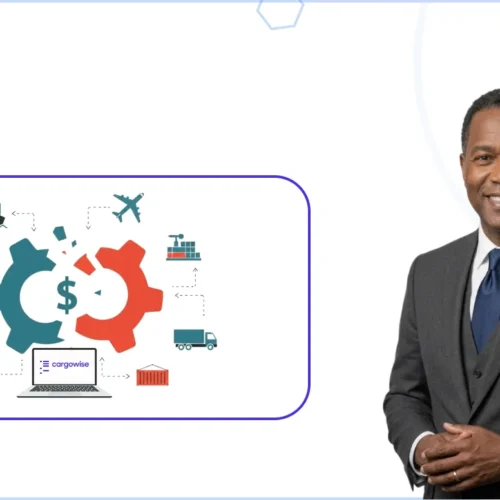
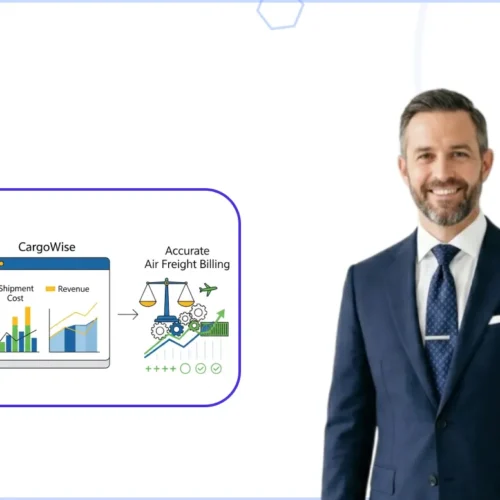
This module sits at the heart of your financial operations in CargoWise. It determines how you quote, cost, and ultimately bill your customers.
But it’s also one of the most misunderstood areas.
Tariffs & Rates isn’t just about entering numbers. It involves multiple interconnected components, such as:
- Client-specific rates
- Company tariffs
- Intercompany pricing
- Costing structures
- One-off quotes and quotations
- Autorating logic
If these elements are not clearly understood or properly aligned, the result is often inconsistent pricing.
That can lead to underbilling, overquoting, or margin leakage, none of which are easy to fix after the fact.
For CargoWise users, having a clear understanding of how these components interact is what ensures pricing accuracy and financial control.
Customer Communication: The Hidden Driver of Retention
Not every mistake in logistics shows up on a report. Some show up in conversations.
Customer communication is one of the most underestimated skills in the industry. Yet, it directly impacts customer retention, satisfaction, and long-term business relationships.
A single unclear response or delayed update can create frustration. A poorly handled issue can cost you a client.
What customers expect today is simple:
- Clear, solution-focused communication
- Timely updates on shipments
- Confidence that their concerns are understood and addressed
But delivering this consistently requires more than just good intentions. It requires structured communication skills.
For teams using CargoWise, this also means knowing how to interpret system data and translate it into meaningful updates for customers.
Because at the end of the day, your system might have the right information, but if it’s not communicated effectively, the customer experience still suffers.
Air Freight Operations: Fast-Moving, High-Risk, and Detail-Driven
Air freight is often seen as the fastest mode of transport, but behind the scenes, it’s one of the most complex.
From booking to departure, multiple steps need to align perfectly. And unlike other modes, there’s very little room for error.
Key elements in air freight operations include:
- Aircraft types and capacity considerations
- Cargo routing and consolidation
- Shippers’ Letters of Instruction (SLIs)
- Export declarations and documentation
- Incoterms and responsibility allocation
Each of these components plays a role in ensuring that cargo moves smoothly from the warehouse to the aircraft.
A gap in understanding any one of these areas can lead to:
- Shipment delays
- Compliance issues
- Increased operational costs
- Customer dissatisfaction
For CargoWise users, understanding how these processes connect within the system is critical. It ensures that operations are not only executed correctly but also aligned with real-world logistics requirements.
The Real Cost of “Learning on the Job”
Many logistics teams rely heavily on on-the-job learning.
While experience is valuable, relying solely on trial and error comes with risks.
In today’s environment:
- Mistakes are more visible
- Customers expect faster responses
- Margins are tighter
- Compliance requirements are stricter
This means the cost of learning through errors is higher than ever before.
What used to be a minor issue can now result in:
- Financial losses
- Operational disruptions
- Damaged customer relationships
That’s why structured learning and system understanding are becoming essential for logistics teams.
Bridging the Gap Between System and Operations
One of the biggest challenges CargoWise users face is bridging the gap between system functionality and real-world operations.
Knowing how a feature works is one thing. Knowing how to apply it effectively in your daily workflow is another.
For example:
- Understanding autorating is different from configuring it correctly
- Knowing how to create a quote is different from ensuring it reflects actual costs
- Tracking a shipment is different from proactively managing customer expectations
This is where many teams struggle, and where the right guidance makes a difference.
Why Training Alone Isn’t Enough?
Training provides the foundation. But real value comes from how that knowledge is implemented within your system and workflows.
Every logistics business is different. Your pricing structure, operational flow, and customer requirements are unique.
That means your CargoWise setup needs to be tailored accordingly.
Without proper configuration and alignment, even well-trained teams may still face challenges.
Turning Knowledge into Operational Strength
When foundational knowledge is combined with the right system setup, the impact is immediate.
You start to see:
- More accurate pricing and billing
- Improved customer communication
- Smoother operational workflows
- Reduced errors and rework
- Greater confidence across teams
This is what separates reactive operations from high-performing logistics organizations.
Conclusion
The logistics industry rewards precision and punishes uncertainty.
Every gap in knowledge, whether in pricing, communication, or operations, creates risk.
But those gaps can be addressed.
With the right understanding and the right system configuration, CargoWise can become more than just a tool. It becomes a strategic advantage.
At Elicit, we help CargoWise users turn knowledge into real operational results.
As an official CargoWise Service Partner with over 25 years of experience and Gold Tier expertise in accounting, we support logistics businesses in:
- Optimizing Tariffs & Rates configurations
- Aligning financial workflows for accurate billing
- Enhancing operational processes in air freight
- Improving system-driven customer communication
- Bridging the gap between training and execution
If your team is facing challenges due to knowledge gaps or system inefficiencies, it’s time to take a more structured approach.
Connect with Elicit and unlock the full potential of your CargoWise environment, without the costly learning curve.