




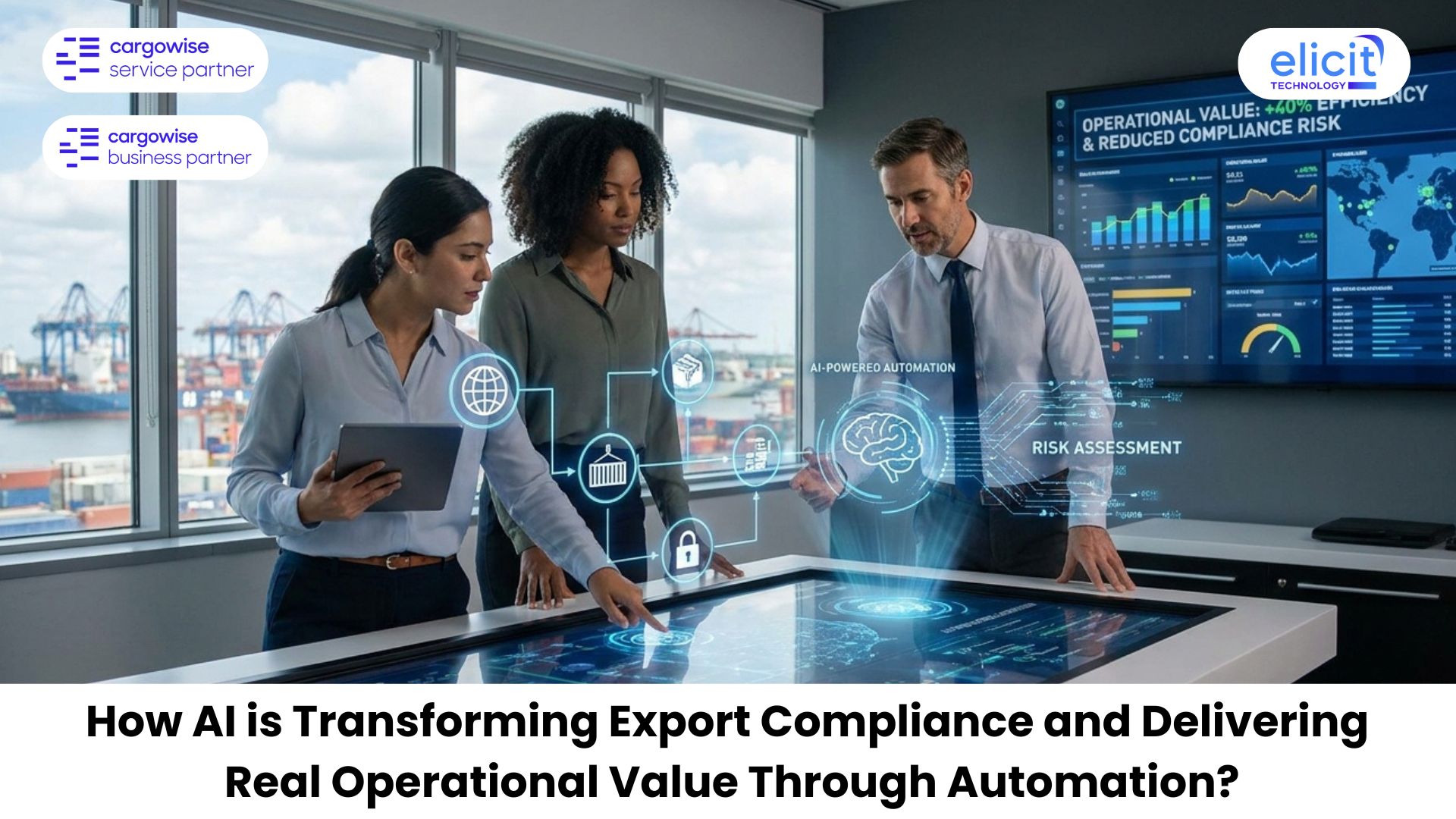
Artificial Intelligence is no longer just a technology trend, it is becoming part of how modern logistics businesses manage risk, improve visibility, and strengthen compliance operations.
Across regulated industries, AI adoption is accelerating rapidly. Recent global studies show that more than half of compliance and risk professionals are already integrating AI into their workflows, with many organizations seeing it as a major advantage for handling growing operational complexity.
But export compliance is different.
Unlike many compliance functions that operate within a single country or regulatory framework, export compliance sits at the intersection of multiple jurisdictions, evolving sanctions, restricted party lists, and constantly changing trade controls. For freight forwarders and logistics providers, this creates a level of complexity that traditional manual processes are struggling to keep up with.
🌍 Why Export Compliance is Becoming More Difficult?
Global trade regulations are changing faster than ever.
Geopolitical tensions, export controls, sanctions programs, and dual-use commodity restrictions are all increasing the pressure on logistics providers. At the same time, regulators expect businesses to maintain stronger due diligence, clearer audit trails, and faster responses to compliance risks.
This means compliance teams are now expected to review:
- Product classifications
- Restricted parties and sanctioned entities
- End-use risks
- Shipment destinations and transit routes
- Documentation consistency across shipments
And they need to do all of this while shipment volumes continue to grow.
The reality is simple: manual compliance processes alone are becoming harder to scale effectively.
📊 The Real Challenge is Not Screening, It’s Research
One of the biggest misconceptions about compliance is that the job is mainly about approving or rejecting shipments.
In reality, most of the time is spent gathering information.
Teams often need to:
- Review technical product descriptions
- Cross-check classifications against control lists
- Validate customer information
- Investigate unusual routing patterns
- Research potential compliance risks before decisions are even made
For high-volume logistics environments, this creates a major operational burden. Compliance professionals are spending more time searching for information than making decisions.
This is where AI is beginning to change the workflow.
⚙️ Moving from Manual Research to Smarter Decision Support
Modern AI-driven platforms like ComplianceWise are helping logistics providers simplify how compliance information is reviewed and managed.
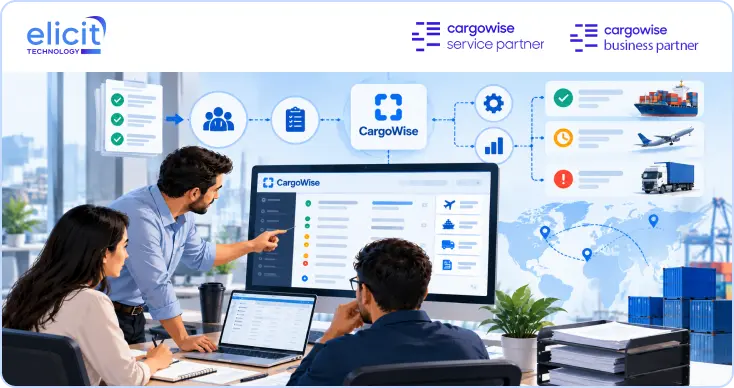
Instead of relying heavily on fragmented manual checks, businesses can now move toward more connected workflows where risk indicators, shipment data, and compliance insights are brought together in a more structured way.
The real value is not about replacing human expertise. It’s about reducing repetitive research work so compliance teams can focus on higher-risk decisions that require experience and judgment.
🚛 Why Human Expertise Still Matters?
Despite all the advancements in AI, export compliance still requires human reasoning.
Some decisions cannot be fully automated:
- Does the shipment’s purpose make sense?
- Does the customer profile match the goods being moved?
- Does the routing pattern look unusual?
- Is there a hidden diversion risk?
Experienced compliance professionals understand operational context in ways that technology alone cannot.
What AI changes is the amount of time teams spend on repetitive tasks. Instead of manually screening every shipment from scratch, professionals can focus more attention on the cases that truly require deeper investigation.
📈 Regulators are Also Becoming More Technology-Driven
Interestingly, regulators themselves are increasingly adopting AI and advanced analytics.
Authorities now use intelligent systems to:
- Monitor trade flows
- Detect unusual shipment behaviour
- Cross-check declarations and trade patterns
- Identify inconsistencies across transactions
This means expectations around compliance are rising. Regulators are not only asking whether businesses have processes in place, but they are also asking whether those processes are robust, traceable, and scalable.
In other words, compliance is no longer just about effort. It’s about operational maturity.
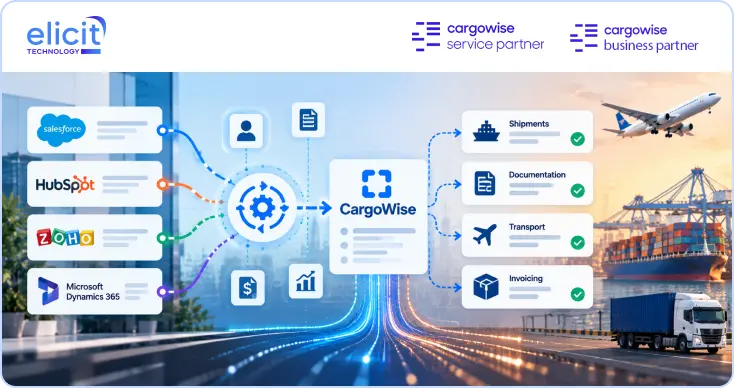
🤝 Why the Right CargoWise Setup Matters?
As compliance requirements become more complex, businesses are realising that simply having software is not enough.
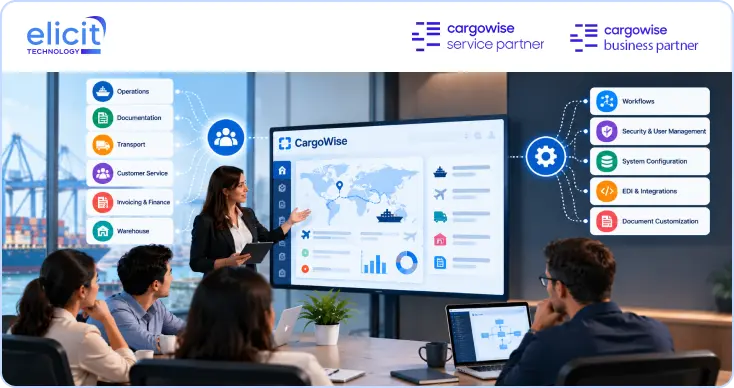
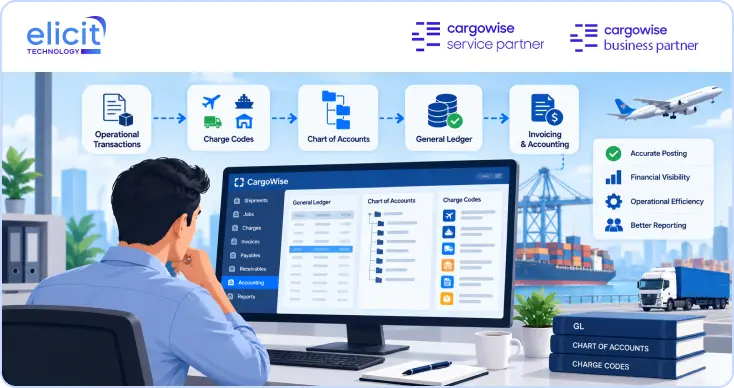
The effectiveness of AI-supported compliance workflows depends heavily on how systems are configured, integrated, and aligned with operational processes.
Without the right implementation:
- Compliance workflows may remain fragmented
- Audit visibility may still be limited
- Teams may struggle with inconsistent data handling
- Operational efficiency gains may never fully materialise
This is why successful logistics organizations increasingly rely on experienced CargoWise specialists who understand both technology and global trade compliance.
🌐 The Future of Compliance is Proactive, Not Reactive
The logistics industry is moving toward a more intelligence-driven compliance model.
Instead of reacting to issues after they happen, businesses are focusing on:
- Earlier risk identification
- Better shipment visibility
- Stronger audit readiness
- More consistent compliance decision-making
AI is becoming an important part of that shift, not by replacing people, but by helping teams operate with greater accuracy, speed, and confidence.
📌 The Key Takeaway
Export compliance is becoming more complex, more regulated, and more operationally demanding.
The businesses that succeed will not simply automate the most processes. They will be the ones that combine intelligent technology with experienced human oversight and strong operational workflows.
Because in modern logistics, smarter compliance is not just about avoiding risk, it is becoming a competitive advantage.
🤝 Build Smarter Compliance Workflows with Expert CargoWise Service Partner
Elicit Technology helps logistics providers optimize CargoWise compliance workflows, improve operational visibility, and strengthen export compliance readiness through smarter system configuration and industry expertise.