






A lot of logistics companies hit the same crossroads when they start growing.
Maybe you opened a new branch in another city. Maybe your freight forwarding business expanded into customs brokerage, warehousing, transport, or 3PL services. Maybe your organization now operates multiple legal entities under the same group. Or maybe your management team is planning international expansion, and suddenly the big question comes up:
“Do we need to buy another CargoWise system for this?”
And honestly, this is where many businesses either overspend unnecessarily or build the wrong system structure from the beginning.
The truth is, CargoWise was designed to support complex multi-company logistics operations. But unless you deeply understand how CargoWise company structures, branches, databases, and country configurations work, it’s easy to make expensive implementation decisions that create long-term operational problems.
That’s why understanding the difference between:
- Multiple companies
- Multiple branches
- Multi-country operations
- Separate legal entities
- Shared databases
- Independent CargoWise environments
…is incredibly important before scaling your business.
Because the right setup can reduce costs, improve visibility, simplify operations, and help your entire organization grow smarter.
And the wrong CargoWise setup can create years of operational headaches.
Why Many Logistics Companies Misunderstand CargoWise Expansion?
CargoWise is not just a shipment processing system anymore.
It’s a global logistics operating platform designed to manage:
- Freight forwarding
- Customs brokerage
- Warehousing
- Transport
- Accounting
- Compliance
- Visibility
- Multi-company operations
- Global branch networks
But many companies still think in very traditional ERP terms:
“A new office means a new system.”
That’s not always true with CargoWise.
In fact, many businesses already using CargoWise for years are unaware that they can:
- Add branches within the same country
- Create multiple companies inside the same environment
- Operate different logistics business units together
- Share operational data across entities
- Maintain separate financial structures
- Centralize visibility across the organization
all without purchasing a completely separate CargoWise system.
And honestly, this is one of the most overlooked advantages of CargoWise architecture.
When You DON’T Need Another CargoWise System?
This is where proper CargoWise consultation becomes extremely valuable.
If your company is expanding within the same country, you often do not need a completely separate CargoWise environment.
For example:
- Opening another forwarding branch in the same country
- Adding a transport division
- Launching a customs brokerage entity
- Creating a warehousing business unit
- Managing multiple local companies under one group
In many cases, these can all operate within the same CargoWise database structure.
CargoWise allows businesses to:
- Create multiple companies
- Configure separate branches
- Maintain separate accounting structures
- Separate operational ownership
- Manage local workflows independently
- Control user permissions by branch or company
all while maintaining centralized operational visibility.
This is a huge advantage for growing logistics organizations because it avoids:
- Duplicate systems
- Duplicate data
- Additional implementation costs
- Multiple disconnected databases
- Complex reporting consolidation
Instead of running separate systems everywhere, businesses can operate within a unified CargoWise ecosystem.
That creates far better operational control.
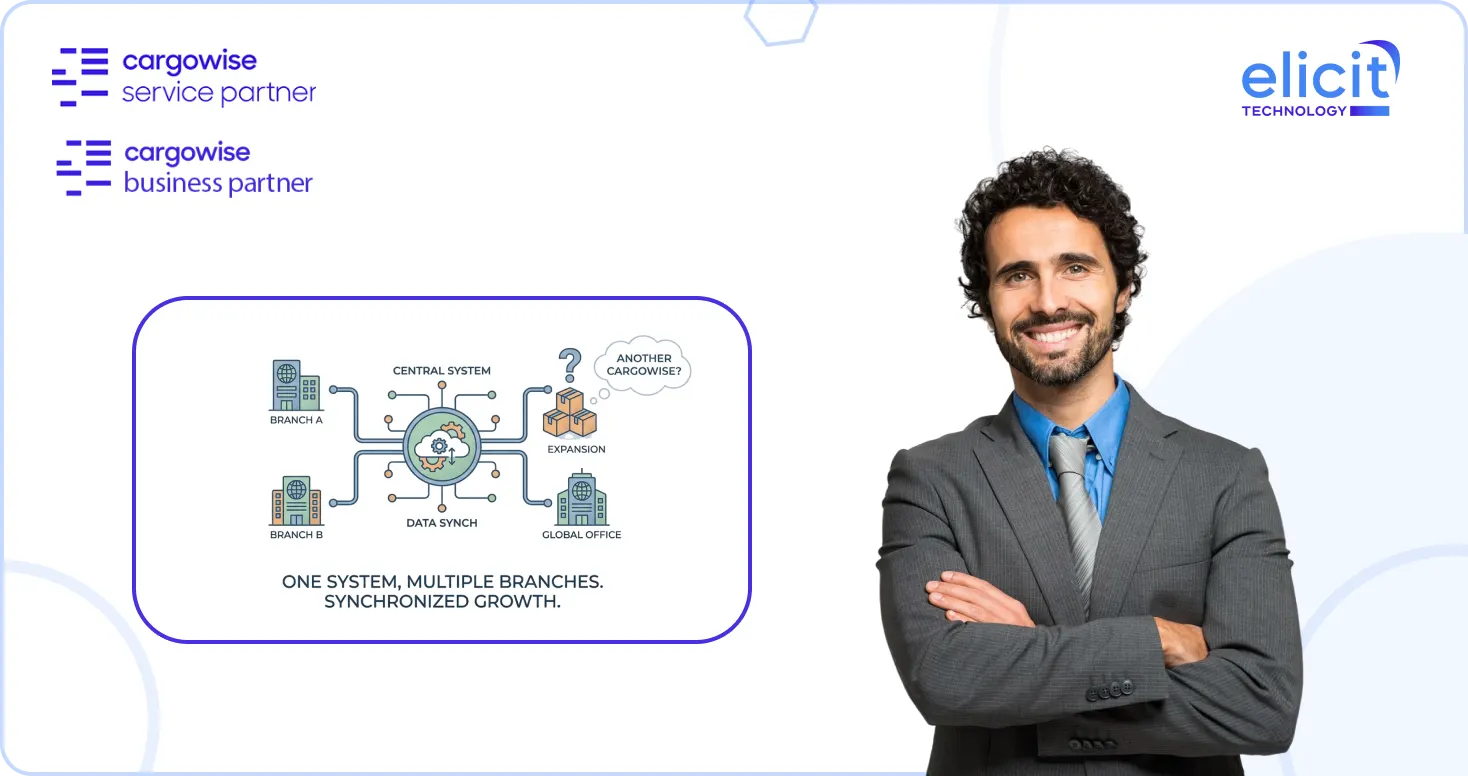
Why CargoWise Works Best as a Single Connected System?
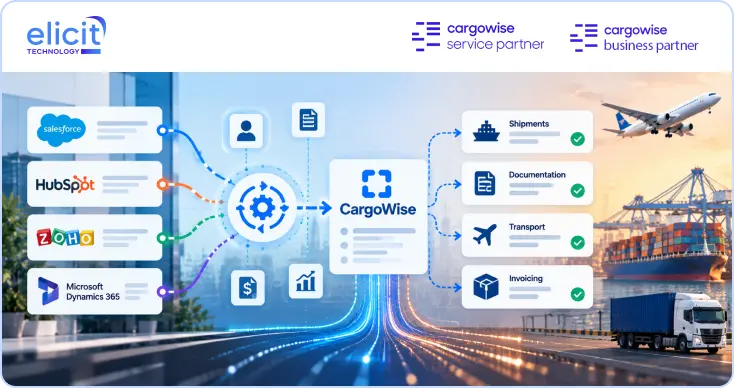
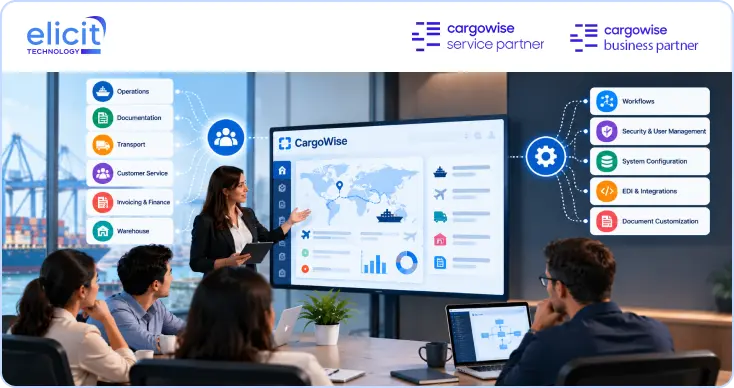
CargoWise is extremely powerful when it is used as one connected system for operations, accounting, and overall finance management. Instead of separating branch-level activity into multiple systems, businesses can often manage companies, branches, departments, users, workflows, reporting, and financial controls within the same CargoWise environment.
This gives logistics companies a major advantage because operational data and financial data stay connected. Shipments, consolidations, invoices, accruals, payables, receivables, and reports can flow through one structured system rather than being split across disconnected platforms.
The real goal should not be to create another CargoWise setup whenever the business expands. The smarter approach is to first understand whether the existing CargoWise environment can support the new branch, company, or operational unit through proper configuration.
In most cases, CargoWise can support expansion more efficiently when the system is structured correctly from the beginning. A separate setup should only be considered when there is a clear business or technical need, such as when external systems are required to consolidate operations and finance management, or when the business model demands a different architecture.
That is why proper CargoWise planning matters. With the right CargoWise service partner, you can avoid unnecessary system duplication, reduce implementation costs, maintain better visibility, and use CargoWise as a true single source of truth across your logistics business.
Why Incorrect CargoWise Structuring Creates Long-Term Problems?
A lot of companies make expansion decisions too quickly.
They:
- Open new branches
- Add companies randomly
- Create disconnected workflows
- Duplicate operational structures
- Overcomplicate accounting environments
At first, everything seems manageable.
But over time, businesses begin experiencing:
- Reporting inconsistencies
- Duplicate operational work
- Visibility gaps
- Financial complexity
- Difficult intercompany transactions
- Data fragmentation
- Complicated user management
- Poor scalability
Eventually, the system becomes harder to manage than the business itself.
That’s why CargoWise architecture should never be treated casually.
The way your companies, branches, and operational structures are configured today directly impacts:
- Scalability
- Reporting
- Automation
- Visibility
- Financial management
- Operational control
- Customer service
- Long-term ROI
How Multi-Company CargoWise Structures Actually Help Logistics Businesses?
When implemented properly, CargoWise multi-company structures become incredibly powerful.
They allow logistics businesses to:
- Centralize operations globally
- Maintain separate financial entities
- Share shipment visibility
- Manage intercompany transactions
- Standardize workflows
- Reduce duplicate data entry
- Improve operational reporting
- Simplify branch expansion
- Scale faster without rebuilding systems
For large freight forwarders, NVOCCs, customs brokers, and 3PL providers, this creates enormous operational advantages.
Instead of every branch functioning independently, the organization operates as one connected ecosystem.
That means:
- Better visibility
- Faster communication
- Cleaner reporting
- Improved operational consistency
- Smarter management oversight
And ultimately, a better customer experience.
Why CargoWise Expansion Requires Expert Guidance?
This is where many businesses underestimate the complexity.
CargoWise implementation is not just a technical setup.
It’s operational architecture.
A proper CargoWise structure must consider:
- Business model
- Branch hierarchy
- Financial structure
- Operational workflows
- Compliance requirements
- Intercompany accounting
- User permissions
- Automation opportunities
- Reporting needs
- Future scalability
Without proper planning, businesses often outgrow their original setup very quickly. And fixing poor architecture later becomes significantly more expensive.
That’s why working with an experienced CargoWise service partner matters from the very beginning.
How Elicit Helps Businesses Scale CargoWise the Right Way?
At Elicit, the focus goes far beyond basic implementation.
As an official CargoWise service partner, Elicit helps logistics businesses design CargoWise environments built for:
- Growth
- Scalability
- Operational visibility
- Multi-company management
- Branch expansion
- Global operations
- Financial clarity
- Workflow efficiency
Whether your business is:
- Expanding into new branches
- Adding new logistics services
- Creating separate legal entities
- Entering new countries
- Centralizing operations globally
Elicit helps determine the smartest CargoWise structure for your business.
That includes:
- CargoWise implementation
- Multi-company configuration
- Branch setup
- System optimization
- Workflow automation
- Integration services
- Reporting customization
- Financial configuration
- API and EDI connectivity
- Ongoing CargoWise support
Most importantly, Elicit helps businesses avoid unnecessary system duplication and costly implementation mistakes.
Because sometimes you don’t need another CargoWise system. You simply need the right CargoWise strategy.
What Growing Logistics Companies Should Really Focus On?
The goal shouldn’t be:
“How many CargoWise systems do we need?”
The real question should be:
“How can we structure CargoWise to support long-term growth efficiently?”
That mindset changes everything.
Because modern logistics companies need systems that:
- Scale globally
- Support multiple business models
- Reduce operational duplication
- Improve visibility
- Simplify reporting
- Lower costs
- Enable smarter automation
CargoWise already has those capabilities. The challenge is understanding how to use them correctly.
Conclusion
If your logistics business is expanding and you’re unsure whether you need another CargoWise environment, another database, or simply a better configuration, you’re not alone.
Many CargoWise users are still unaware of how powerful the platform truly is when it comes to managing:
- Multiple companies
- Multiple branches
- Shared operations
- Global structures
- Multi-entity logistics environments
The right setup can dramatically improve operational efficiency, visibility, scalability, and ROI.
The wrong setup can create years of complexity and unnecessary costs. That’s why expert CargoWise guidance matters.
Schedule a call with us, as an official CargoWise service partner, Elicit helps logistics companies design, implement, optimize, and scale CargoWise environments the right way, whether you’re managing multiple branches in the same country or expanding globally across regions.
Because growth should make your business smarter. Not more complicated.