









There’s a moment in every logistics operation where planning hits a wall.
You’ve optimized ocean routes, secured trucking capacity, and aligned delivery timelines, yet inland movement still feels expensive, unpredictable, and hard to scale. That’s where rail should step in. But for many teams, rail has always been the “complicated option.”
Not anymore.
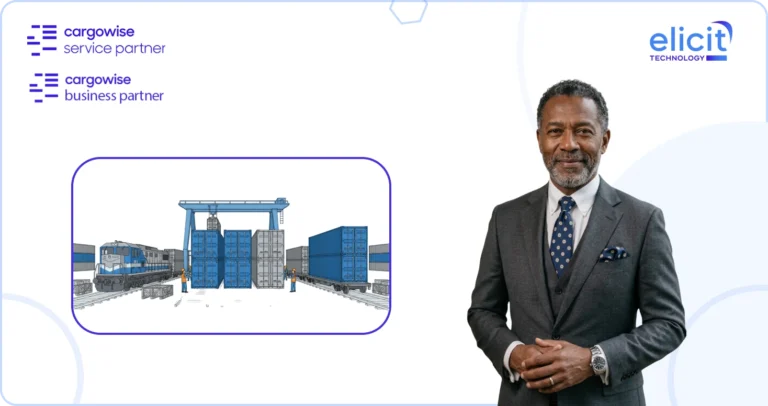
CargoWise Rail Freight Integration is quietly changing how logistics teams think about inland transportation. Instead of treating rail as a separate, hard-to-manage mode, it brings rail directly into your existing CargoWise workflow, making it just as accessible as ocean, air, or road.
Why Rail Freight Was Often Overlooked in Logistics Planning?
For years, rail freight has been underutilized, not because it lacked value, but because it lacked accessibility.
Logistics teams often faced fragmented systems, limited visibility into schedules, and manual coordination with rail providers. Planning rail movements meant switching platforms, requesting quotes separately, and manually aligning timelines with other transport modes.
As a result, many businesses defaulted to trucking, even when rail could offer better cost efficiency and sustainability.
CargoWise Rail Freight Integration removes these barriers by embedding rail directly into your planning process.
What CargoWise Rail Freight Integration Brings Into Your Workflow?
When rail is integrated into CargoWise, it stops being an external option and becomes part of your core logistics system.
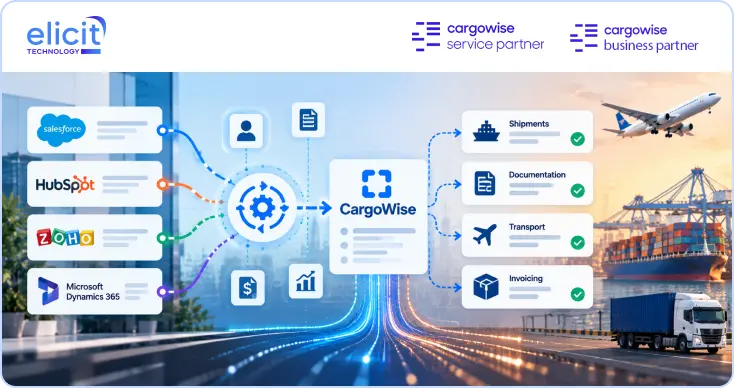
Instead of managing rail separately, your team can access real-time rail schedules, compare pricing, and plan routes within the same platform they already use for shipments. Rail segments can be booked, tracked, and managed alongside ocean, air, and road freight, without additional systems or manual coordination.
This unified approach allows logistics teams to make faster decisions, reduce planning complexity, and build truly multimodal supply chains.
How does it Improve Multimodal Shipment Planning?
Multimodal logistics is only effective when all transport modes work together smoothly. Without integration, each mode operates in isolation, creating gaps in visibility and coordination.
CargoWise Rail Freight Integration connects these modes into a single workflow.
When planning a shipment, your team can evaluate rail as part of the entire journey, not as an afterthought. Inland rail routes can be aligned with port schedules, container availability, and final delivery timelines.
This ensures that every segment of the shipment is optimized, not just the primary leg.
Better Cost Control Through Rail Optimization
Cost pressure is one of the biggest challenges in logistics today. Fuel prices, driver shortages, and road congestion continue to push trucking costs higher.
Rail offers a more stable and cost-effective alternative for long-distance inland transport.
With CargoWise Rail Freight Integration, your team can compare rail pricing directly against other modes. This allows you to identify where rail can reduce costs without compromising delivery timelines.
Over time, this shift can significantly improve margins, especially for high-volume or long-haul shipments.
Real-Time Visibility that Changes How Teams Operate?
Visibility is not just about knowing where a shipment is, it’s about understanding how it’s moving and what risks might impact it.
CargoWise Rail Freight Integration provides real-time updates on rail schedules, movements, and estimated arrival times. This ensures that your team always has accurate information when planning and managing shipments.
Instead of relying on assumptions or outdated data, decisions are based on real-time insights.
This level of visibility also improves communication with customers, as your team can provide reliable updates and proactively manage expectations.
Reducing Manual Work and Improving Efficiency
Manual processes are one of the highest hidden costs in logistics operations. Every time your team enters data, follows up on schedules, or coordinates bookings manually, time and resources are lost.
CargoWise Rail Freight Integration automates these processes.
Rail bookings can be managed directly within the system. Rate calculations are handled automatically. Documentation is generated without manual input. This reduces the need for repetitive tasks and allows your team to focus on higher-value activities.
The result is faster operations, fewer errors, and improved productivity across your logistics workflow.
Supporting Sustainability Without Compromising Performance
Sustainability is no longer optional, it’s a growing priority for logistics companies and their customers.
Rail freight is significantly more environmentally friendly than road transport, especially for long-distance shipments. It produces lower carbon emissions and reduces the overall environmental impact of logistics operations.
By integrating rail into CargoWise, your business can actively include more sustainable transport options in your supply chain.
This not only supports environmental goals but also strengthens your value proposition to customers who prioritize sustainable logistics solutions.
Enhancing Compliance and Service Reliability
Meeting service-level agreements (SLAs) requires accurate planning and consistent execution. Any delay or misalignment in inland transport can impact the entire shipment timeline.
CargoWise Rail Freight Integration improves compliance by providing reliable schedules and accurate ETAs. This helps your team plan more effectively and avoid unexpected disruptions.
With better coordination across all transport modes, your operations become more predictable, and your service reliability improves.
Why CargoWise Rail Freight Integration Matters in Today’s Logistics Environment?
The logistics landscape is evolving rapidly. Businesses are under pressure to reduce costs, improve efficiency, and adopt more sustainable practices, all while managing increasing shipment volumes.
Rail freight offers a solution to many of these challenges, but only if it can be integrated seamlessly into daily operations.
CargoWise Rail Freight Integration makes that possible. It transforms rail from a complex, underutilized option into a practical, accessible, and valuable part of your logistics strategy.
Conclusion
Rail freight is no longer something you consider only when other options fail. With the right integration, it becomes a strategic advantage.
CargoWise Rail Freight Integration allows your team to plan smarter, operate more efficiently, and deliver better results for your customers.
It simplifies multimodal logistics, improves visibility, and unlocks cost and sustainability benefits that were previously difficult to achieve.
Implementing CargoWise Rail Freight Integration requires more than just enabling a feature, it requires aligning your system with your operational goals.
At Elicit, we help CargoWise users integrate rail freight seamlessly into their workflows. From system configuration to multimodal optimization, we ensure your CargoWise environment delivers real, measurable value.
If you’re ready to simplify inland logistics, reduce costs, and build smarter multimodal supply chains, connect with Elicit today and take the next step toward fully integrated logistics operations.