






A shipment workflow should not feel like passing the same information from one desk to another. But in many logistics companies, that is exactly what happens. One team creates the order, another team prepares the quote, someone else creates the booking, operations builds the shipment, finance processes the invoice, and warehouse or transport teams update their own records separately.
By the time the job is complete, the same data may have been entered several times across different screens, documents, emails, and spreadsheets. This slows operations down, increases the risk of mistakes, and makes it harder for teams to focus on the work that actually needs human attention.
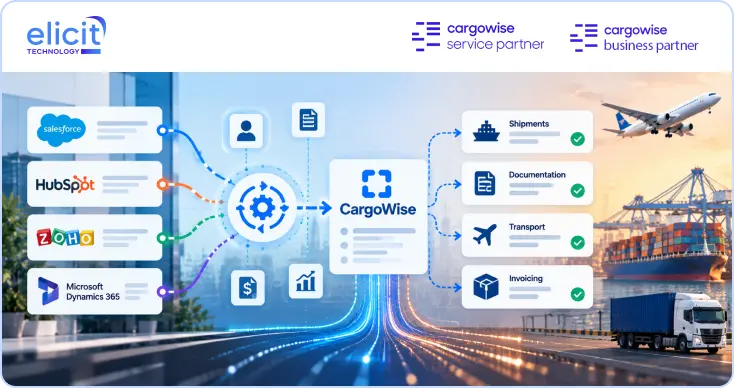
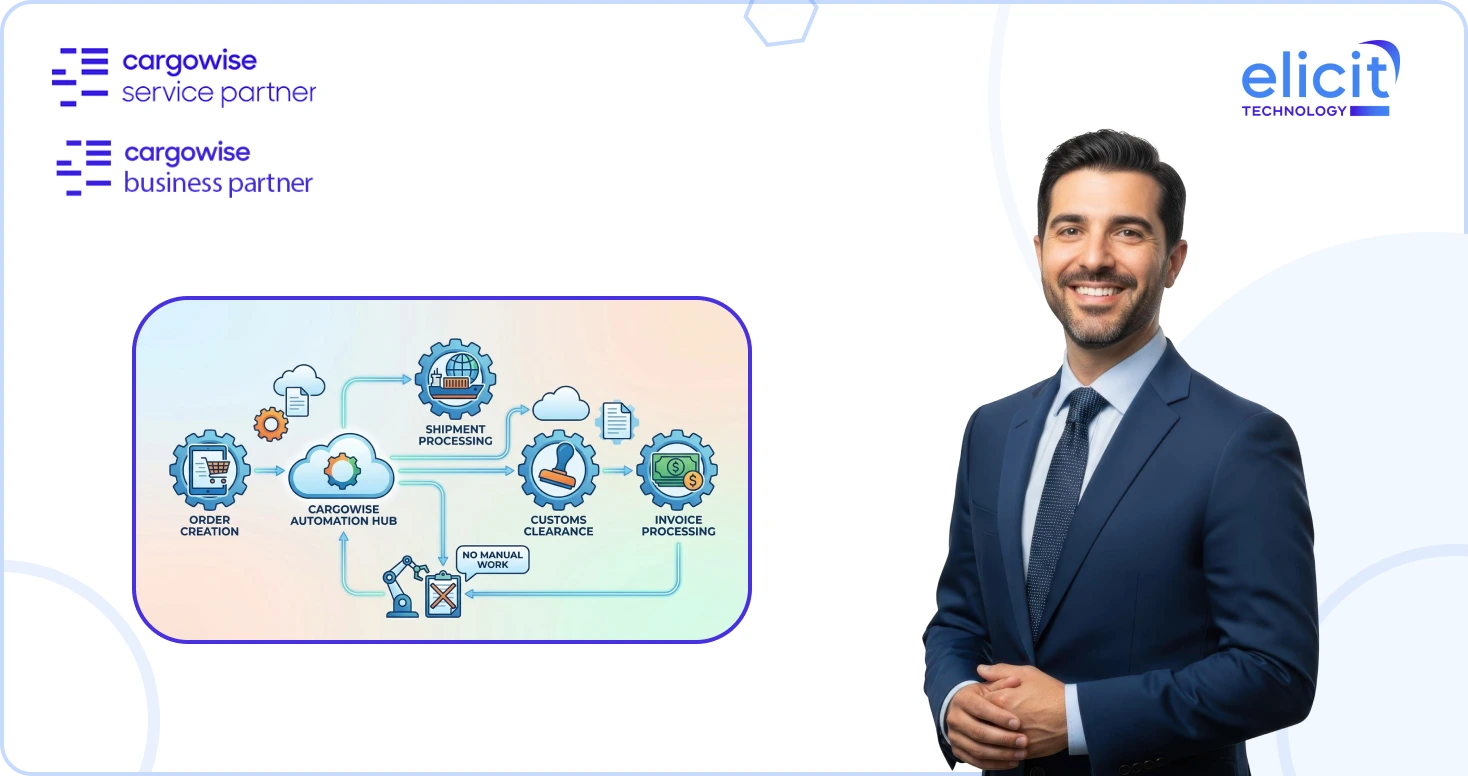
CargoWise is built to support much more than basic shipment processing. With the right automation setup, it can help logistics companies reduce repetitive work across order creation, quote creation, booking creation, shipment creation, consol creation, transport job creation, warehouse entry, commercial invoice processing, AP invoice automation, Excel uploads, and data entry from eDocs.
Why Manual Work Still Exists in CargoWise Operations?
Many CargoWise users still depend on manual processes because their system was implemented for basic operational use, not fully optimized for automation. The system may be working, but teams continue to create jobs manually, enter shipment details from pre-alerts, upload documents without extracting data, and process invoices by rekeying supplier information.
This usually happens because automation workflows were never designed properly. In some cases, companies do not know which automation options are available. In other cases, the team understands the need for automation but does not have the technical CargoWise expertise to configure it correctly.
The result is simple: CargoWise is being used, but not fully utilized.
Order, Quote, and Booking Creation Automation
The logistics workflow often begins with an order or quote. When this process is handled manually, teams spend valuable time entering customer details, shipment information, routing, charges, and service requirements.
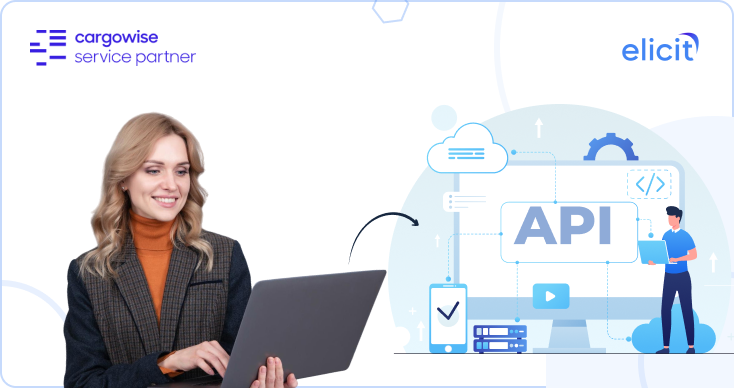
With CargoWise automation, order creation can be streamlined using structured data inputs, API integrations, EDI messages, Excel uploads, or customer-driven digital workflows. Once the order data is available, it can support quote creation, booking creation, and job setup with less manual intervention.
This helps teams move faster from inquiry to execution. It also improves consistency because data flows through the process instead of being re-entered at every stage.
Shipment Creation Through Pre-Alert Automation
Pre-alert automation is one of the most useful areas for freight forwarders handling regular import or export shipments. When shipment documents such as MBL, HBL, commercial invoices, packing lists, or other pre-alert documents are received, the required data can be captured and used to create shipment records more efficiently.
Instead of manually reading each document and entering shipment details into CargoWise, automation helps extract the key information and apply it to the correct workflow. This is especially helpful for teams processing high volumes of shipments every day.
Shipment creation automation reduces manual effort, improves data accuracy, and helps operations teams start working on the job much earlier.
Consol and Transport Job Creation Automation
Consol creation and transport job creation are areas where manual work can quickly become repetitive. Teams often need to link shipments, assign containers, update routing, create pickup or delivery jobs, and manage inland transport details.
With the right CargoWise configuration, these steps can be supported through automation. Transport jobs can be created based on shipment requirements, pickup and delivery information, or operational triggers. Consol workflows can also be improved by reducing repeated data entry and making shipment linkage more structured.
This gives operations teams better control while reducing the time spent on administrative tasks.
AP Invoice Automation in CargoWise
Accounts payable is one of the biggest manual workload areas in logistics. Vendor invoices arrive from carriers, transport providers, warehouses, customs brokers, and other suppliers. AP teams then need to capture invoice details, match them against jobs and accruals, check amounts, create draft payable transactions, and manage approvals or disputes.
CargoWise AP invoice automation helps reduce this heavy lifting. Invoice details can be extracted from documents, matched with job references, reconciled against accruals, and prepared as draft payable transactions for review.
This allows finance teams to focus on exceptions instead of spending most of their time entering invoice data manually. It also helps improve accuracy, speed up payable processing, and reduce delays in financial visibility.
Warehouse Entry and eDocs Data Automation
Warehouse operations also benefit from automation when receiving, unpacking, storing, or dispatching cargo. Manual warehouse entry can slow down the flow of information between operations and warehouse teams.
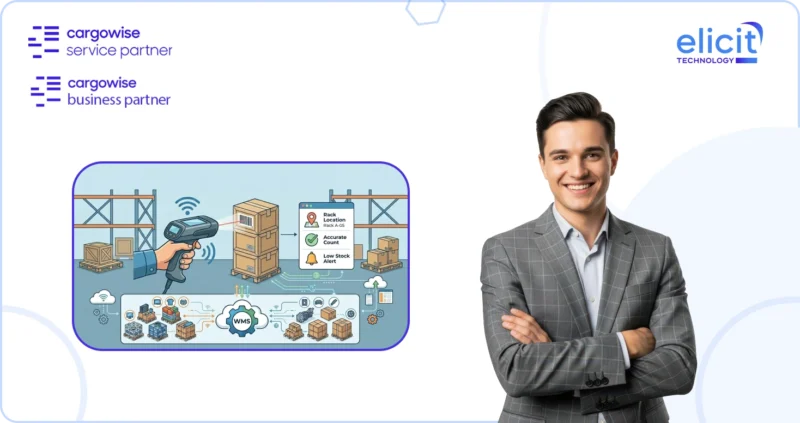
Through CargoWise automation, warehouse entry processes can be made more structured by using shipment data, document inputs, and system workflows to reduce repeated entry. Data from eDocs can also support faster operational updates by capturing information directly from uploaded documents.
This helps create a cleaner connection between documentation, warehouse activity, and job-level visibility.
Excel Upload and Commercial Invoice Automation
Many logistics businesses still rely on Excel files from customers, agents, or internal teams. When handled manually, Excel-based data becomes another source of repetitive work.
CargoWise automation can help structure Excel uploads so information can be processed faster and more consistently. This is useful for orders, shipment details, charges, warehouse entries, and customer-specific data.
Commercial invoice automation is another key area. Commercial invoices contain critical shipment, customs, and financial information. By automating data capture from commercial invoices, CargoWise users can reduce manual entry, improve compliance support, and make invoice details available earlier in the workflow.
Why Automation Needs the Right CargoWise Expertise?
Automation is not just about turning on a feature. It requires proper planning, configuration, testing, and workflow alignment. If automation is set up incorrectly, it can create confusion instead of efficiency.
A successful CargoWise automation setup requires an understanding of your real operational process. That includes how your team receives data, how jobs are created, how documents are used, how invoices are matched, how transport jobs are triggered, and how warehouse entries connect with shipment workflows.
This is where an expert CargoWise service partner becomes important.
How Elicit Helps CargoWise Users Automate Operations?
As a trusted CargoWise service and business partner, Elicit helps logistics companies reduce manual work and improve operational efficiency through practical automation solutions.
Elicit supports CargoWise users with order creation automation, quote and booking automation, shipment creation from pre-alerts, MBL/HBL-based workflow automation, AP invoice automation, transport job creation, warehouse entry workflows, eDocs data automation, Excel upload setup, commercial invoice automation, consol creation, API integration, EDI integration, reporting, customization, and ongoing support.
The focus is not just on automation for the sake of automation. The goal is to reduce manual processing time, improve accuracy, lower operational cost, and help teams get more value from CargoWise.
Conclusion
CargoWise automation can transform how logistics teams work. Instead of entering the same data repeatedly, teams can use structured workflows to create orders, quotes, bookings, shipments, consols, transport jobs, warehouse entries, and payable transactions faster and more accurately.
For logistics companies handling growing shipment volumes, automation is no longer optional. It is the practical way to reduce manual effort, improve productivity, and scale operations without increasing unnecessary workload.
If your team is still spending hours on manual tasks inside CargoWise, Elicit can help you redesign those workflows and automate the processes that slow you down. Connect with Elicit, your trusted CargoWise service and business partner, and make CargoWise work smarter for your operations.