







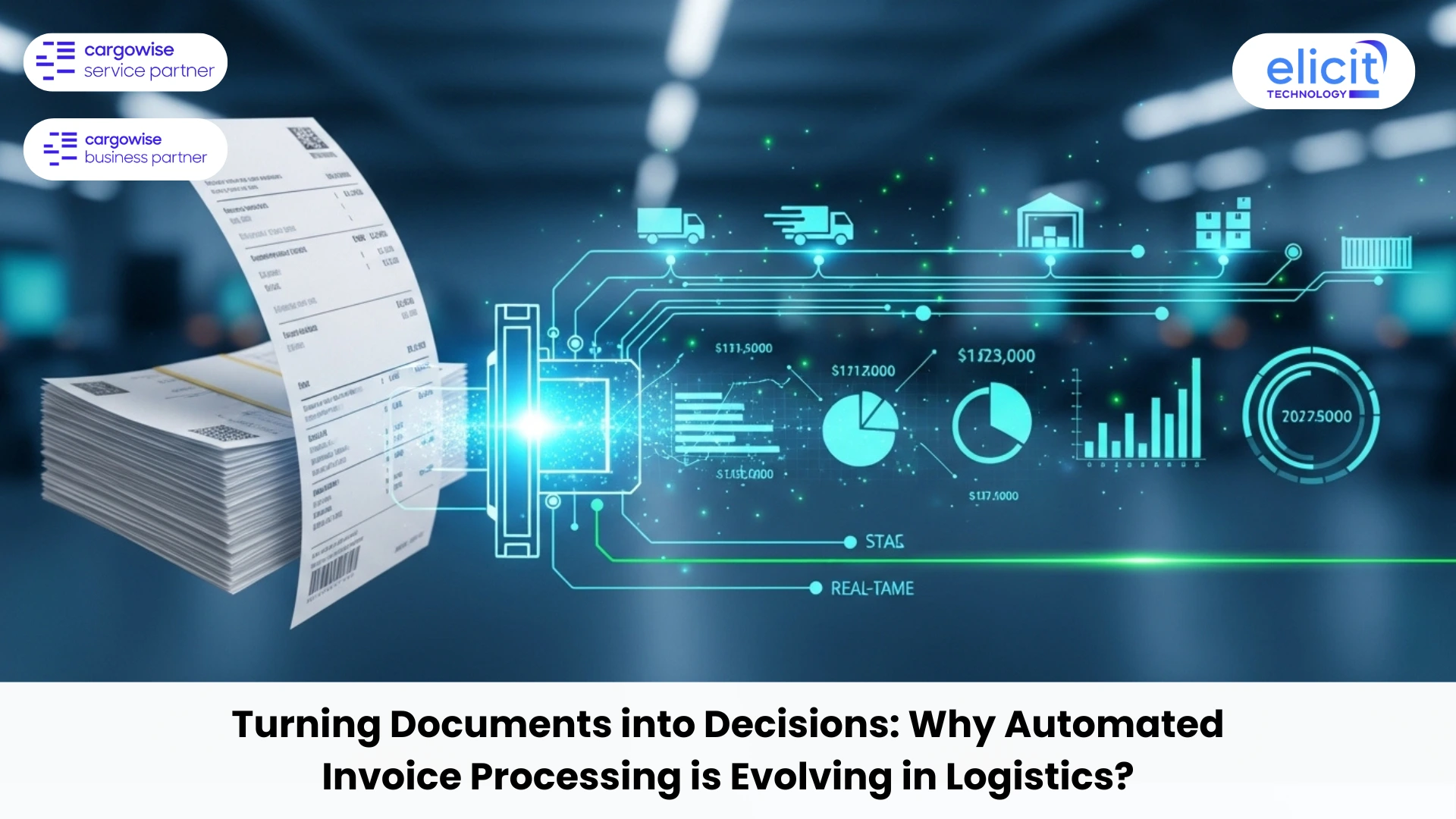
In logistics, every shipment begins with data, and very often, that data starts with a commercial invoice.
While operations teams focus on moving freight, a significant amount of time is still spent behind the scenes reading documents, extracting information, and entering the same data into systems. It’s repetitive, time-consuming, and surprisingly costly when scaled across hundreds of shipments.
This is where many logistics businesses quietly lose efficiency, not in transport, but in document handling.
📊 The Hidden Cost of Manual Invoice Processing
Manual document processing may seem manageable at a small scale, but in high-volume logistics environments, it quickly becomes a bottleneck.
Industry trends continue to highlight a common issue:
A large share of operational delays and data inconsistencies originates from how documents are handled.
When teams rely on manual processes:
- Processing time increases across shipments
- Data entry errors become more frequent
- Billing and customs workflows are delayed
- Teams spend more time on repetitive tasks instead of decision-making
Over time, this impacts not just efficiency, but also customer experience and profitability.
🚛 Why Commercial Invoices Sit at the Centre of Everything?
Commercial invoices are not just documents, they are the backbone of logistics workflows.
They directly influence:
- Customs declarations and compliance checks
- Billing accuracy and financial processing
- Shipment planning and execution
- Data consistency across systems
If invoice data is delayed or incorrect, the impact is felt across multiple teams. This is why forwarders are increasingly focusing on how invoice data is captured and used early in the process.
⚙️ Moving Toward Smarter Document Workflows
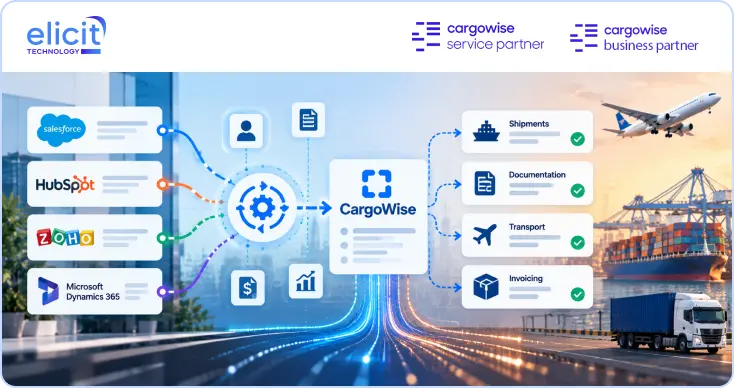
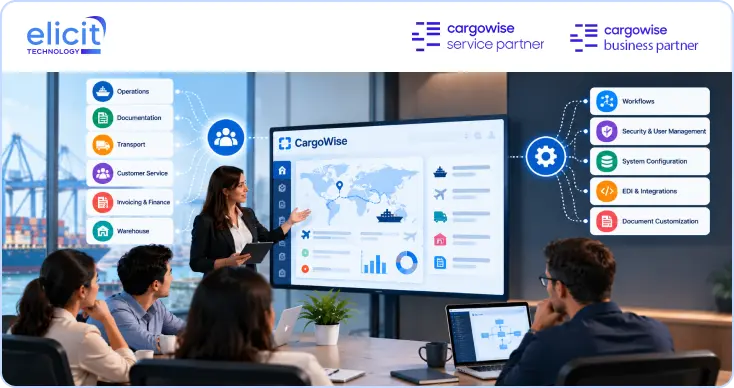
Platforms like CargoWise are helping logistics businesses rethink how document data flows through their operations.
Instead of relying heavily on manual entry, there is a clear shift toward:
- Capturing invoice data earlier in the workflow
- Standardising how data is applied across jobs
- Reducing duplication across systems
- Improving consistency across shipments
The result is not just faster processing, but more reliable and scalable operations.
🤝 Why Technology Alone is Not Enough?
While tools can simplify document handling, the real value comes from how they are implemented.
Every logistics business operates differently. Document structures, workflows, and customer requirements vary widely. Without the right setup, even advanced tools may not deliver the expected results.
This is where businesses often face challenges:
- Systems are available, but not fully utilised
- Workflows are not aligned with operational needs
- Data still requires manual correction
- Teams fall back on old processes
To truly benefit from automation, systems need to be configured with a clear understanding of both technology and logistics operations.
📈 From Manual Effort to Operational Efficiency
When document workflows are optimised properly, the impact is immediate and measurable.
Businesses can:
- Reduce processing time across shipments
- Improve data accuracy and consistency
- Enable faster billing and compliance processes
- Free up teams to focus on higher-value tasks
Instead of chasing data, teams can start using it, making faster and more informed decisions.
🌍 The Bigger Shift in Logistics
The logistics industry is moving toward more connected and data-driven operations.
As shipment volumes grow and compliance requirements become stricter, the ability to process documents quickly and accurately is becoming a competitive advantage.
It’s no longer just about moving goods efficiently, it’s about moving information seamlessly across the supply chain.
📌 The Key Takeaway
Document processing may not always be visible, but it plays a critical role in how efficiently your operations run.
Improving how commercial invoices data flows through your system can unlock better speed, accuracy, and control.
But achieving that requires more than just adopting technology, it requires the right expertise to make it work effectively.
🤝 Turn Document Processing into a Strength with Expert Support
Elicit helps logistics companies optimise their CargoWise workflows, ensuring document data flows smoothly, accurately, and efficiently across operations.