









Comply With NF-e and CT-e Requirements, Without Adding a Separate Platform
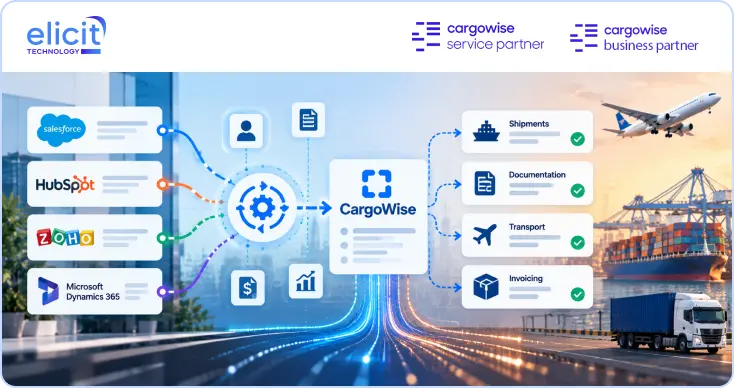
Get real-time SEFAZ authorisation, NF-e and CT-e handling built directly into your CargoWise environment, so e‑invoicing compliance runs from the system you already use for shipments and billing.
Book a Call
Brazil's Nota Fiscal Eletrônica (NF-e) is one of the most mature mandatory e‑invoicing systems in the world, administered at the state level through each state's SEFAZ, requiring real-time authorisation before goods can legally move. An NF-e without a valid authorisation protocol effectively means the shipment can't proceed.
Freight and logistics operations depend on NF-e clearing correctly and fast, since transport documents like the CT-e (Conhecimento de Transporte Eletrônico) reference the underlying NF-e directly. CargoWise Brazil e‑Invoicing Integration connects your CargoWise environment to SEFAZ authorisation automatically.