













Comply with Fiskalizacija 2.0, Without Adding a Separate Platform
Get structured B2B invoice exchange and real-time fiscal reporting built directly into your CargoWise environment, so compliance runs from the system you already use for shipments and billing.
Book a Call
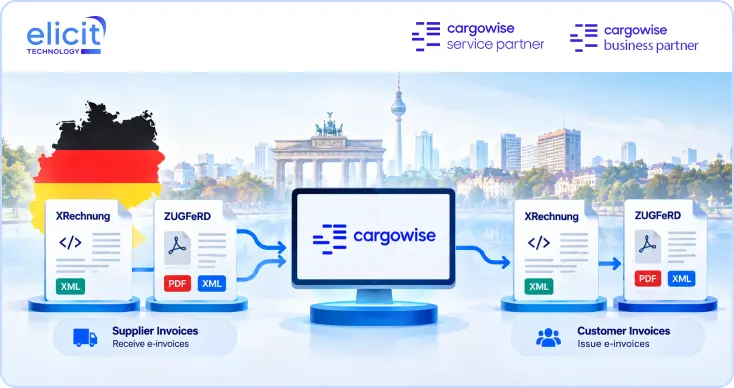
Croatia's Fiskalizacija 2.0 reform extends the country's existing real-time fiscalisation system to cover mandatory B2B e‑invoicing from January 2026, alongside continued B2G e-Račun requirements that have applied for some time. The reform is built around structured, digitally exchanged invoices rather than paper or unstructured PDF documents.
Because Croatia already runs real-time fiscal reporting for other transaction types, the new B2B requirement adds structured invoice exchange and reporting on top of a system businesses are already familiar with, but the integration work is still a genuine undertaking. CargoWise Croatia e‑Invoicing Integration builds it directly into your CargoWise environment.