






In freight forwarding, the margin between profit and loss often lives in the invoice. A single transposed digit, a missed accessorial charge, or a duplicate payment doesn’t just cost money once, it triggers disputes, delays month-end close, and erodes the trust you have built with customers and vendors. And because forwarding invoices are unusually complex, with multiple charge lines, currencies, tax treatments, and carrier variations, billing errors are far more common than most finance teams admit.
CargoWise invoicing automation exists to close that gap. By validating data before it posts, applying stored rates automatically, and matching invoices to real job costs, the platform removes the manual guesswork where errors are born. This guide walks through the seven billing errors that cost forwarders the most, and exactly how AR/AP invoicing automation in CargoWise eliminates each one.
What is CargoWise Invoicing Automation?
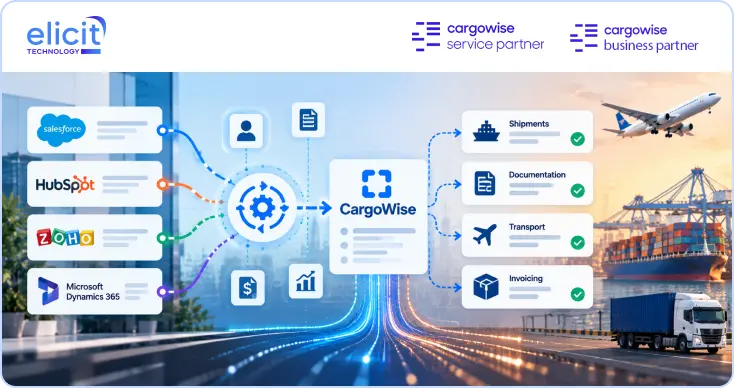
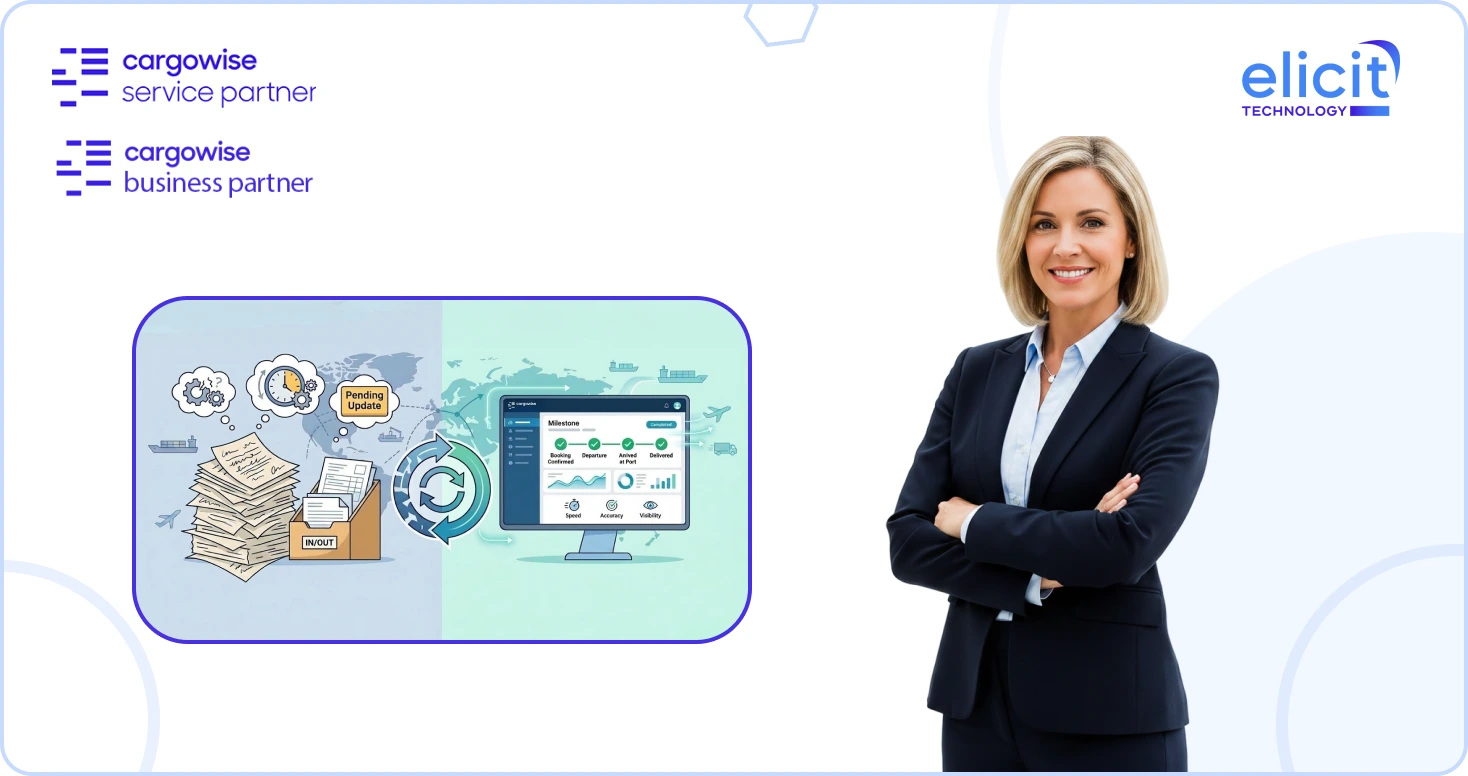
CargoWise invoicing automation is the use of the platform’s accounting, auto-rating, and document-processing tools to create, validate, match, and post accounts receivable (AR) and accounts payable (AP) invoices with minimal manual handling. On the AP side, the system ingests PDF, paper, EDI, and XML supplier invoices, confirms creditor details against master data, and matches invoice lines to cost accruals at job or consolidation level. On the AR side, it reviews customer invoices against completed shipment and proof-of-service data, posts approved invoices automatically, and flags only the exceptions for human review.
The result is a billing process where accuracy is built in rather than checked in afterward. Instead of an operator keying figures and a supervisor hunting for mistakes, the system enforces the rules at the moment data enters. That shift is what makes the following seven errors avoidable.
1. Manual Data-Entry Mistakes
Re-keying invoice amounts, reference numbers, and dates by hand is the single largest source of billing errors. Transposed digits and mistyped totals slip through easily and are painful to unwind after posting. CargoWise AP automation cleans up invoice intake and validates the extracted data against CargoWise before the transaction is created, so inaccurate figures are caught upstream instead of landing in your general ledger. Fewer manual keystrokes means fewer journal corrections and cleaner GL balances.
2. Incorrect Rates and Missed Charges
Undercharging is a silent margin killer: an operator applies last quarter’s rate, forgets a fuel surcharge, or misses an accessorial entirely. CargoWise’s built-in auto-rating tool stores your costings, company tariffs, and client rates in the system and applies them instantly and consistently. Because the correct rate is pulled from a maintained tariff rather than memory, every applicable charge is captured, and revenue leakage from missed or outdated rates disappears.
3. Duplicate Invoices and Double Payments
When the same supplier invoice arrives twice, by email and again by post, manual AP teams can pay it twice. CargoWise’s AP automation uses master data to confirm creditor details and matches invoice lines to the corresponding cost accruals, so a second copy of an already-recorded invoice is surfaced as an exception rather than quietly paid again. Catching duplicates before payment protects cash and spares your team the awkward vendor clawback.
4. Currency and Tax or VAT Miscalculations
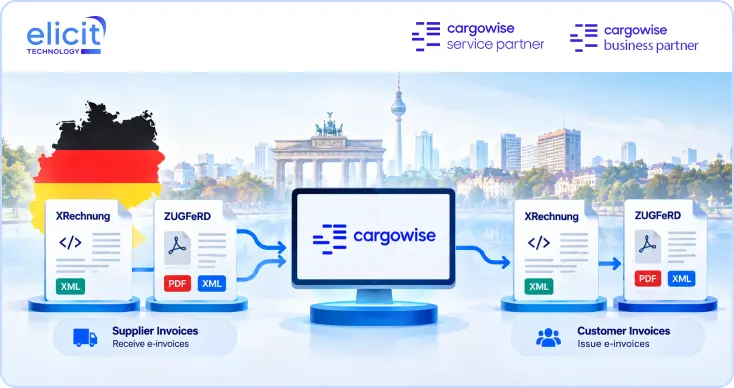
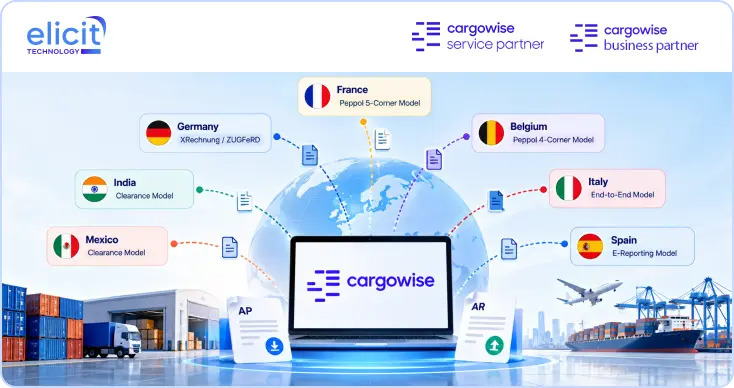
Cross-border freight means multiple currencies and shifting tax rules, and manual tax treatment is a frequent point of failure and increasingly a compliance risk as governments mandate e-invoicing. CargoWise handles tax determination, transaction classification, and the communication of electronic invoice messages with local government systems. Invoices can be configured to enforce the correct tax treatments and classifications before they are sent, reducing reconciliation time and keeping you compliant across jurisdictions.
5. Invoices That Don’t Match Job Costs
A supplier invoice that doesn’t reconcile with the accrued cost on a job distorts profitability and drags out month-end close. CargoWise automatically matches AP invoice lines to cost accruals at the job or consolidation level, so discrepancies between what was expected and what was billed are flagged immediately. Accurate job costing means the profit figure you see on a shipment is the profit you actually made.
6. Delayed Billing and Revenue Leakage
Invoices that sit unbilled for days tie up cash and sometimes never go out at all. Because AR automation draws on completed shipment data and proof-of-service records, approved invoices are posted automatically as soon as the work is done, compressing end-to-end processing from hours to seconds. Faster, more reliable billing shortens your cash-conversion cycle and closes the gaps where revenue used to leak.
7. Billing Disputes from Inaccurate Customer Invoices
Nothing damages a customer relationship faster than an invoice they can’t reconcile. CargoWise AR automation reviews each customer invoice against the shipment’s completed data and proof of service before it goes out, ensuring the charges match the service delivered. Accurate invoices mean fewer disputes, fewer credit notes, and faster payment, and they protect the credibility you rely on to keep accounts.
How Do You Get CargoWise Invoicing Automation Right?
The platform supplies powerful tools, but the accuracy gains depend on how well they are configured for your charge structures, tariffs, and compliance requirements. Auto-rating only works when tariffs and client rates are maintained; AP matching only works when creditor master data is clean; and e-invoicing only works when tax rules are mapped to the right jurisdictions. Skipping that groundwork is how forwarders end up with automation that produces mistakes faster.
At Elicit Technology, our certified CargoWise consultants handle e-invoicing integration, invoice AI, commercial invoice automation, API services, and configuration support so your AR and AP workflows validate the right data at the right moment. The goal is billing you can trust without a manual second check.
Conclusion
Billing errors are not an unavoidable cost of doing business in freight forwarding, they are a symptom of manual processes. From data-entry slips and missed charges to duplicate payments and customer disputes, each of these seven errors traces back to a point where a person had to remember, calculate, or reconcile something by hand. CargoWise invoicing automation removes those points of failure, so your invoices go out accurate, complete, and on time, protecting both your margin and your reputation.
Want to see how much cleaner your billing could be? Schedule a demo with Elicit Technology’s certified CargoWise consultants and put invoicing automation to work in your operation.